Tuesday, February 17, 2026
  • Login
CEO North America
  • Home
  • News
    • Business
    • Entrepreneur
    • Industry
    • Innovation
    • Management & Leadership
  • CEO Interviews
  • Opinion
  • Technology
  • Environment
  • CEO Life
    • Art & Culture
    • Food
    • Health
    • Travel
No Result
View All Result
  • Home
  • News
    • Business
    • Entrepreneur
    • Industry
    • Innovation
    • Management & Leadership
  • CEO Interviews
  • Opinion
  • Technology
  • Environment
  • CEO Life
    • Art & Culture
    • Food
    • Health
    • Travel
No Result
View All Result
CEO North America
No Result
View All Result

CEO North America > Opinion > How Much Does the US Dollar’s Primacy Depend on Investor Demand?

How Much Does the US Dollar’s Primacy Depend on Investor Demand?

in Opinion
How Much Does the US Dollar’s Primacy Depend on Investor Demand?
Share on LinkedinShare on WhatsApp

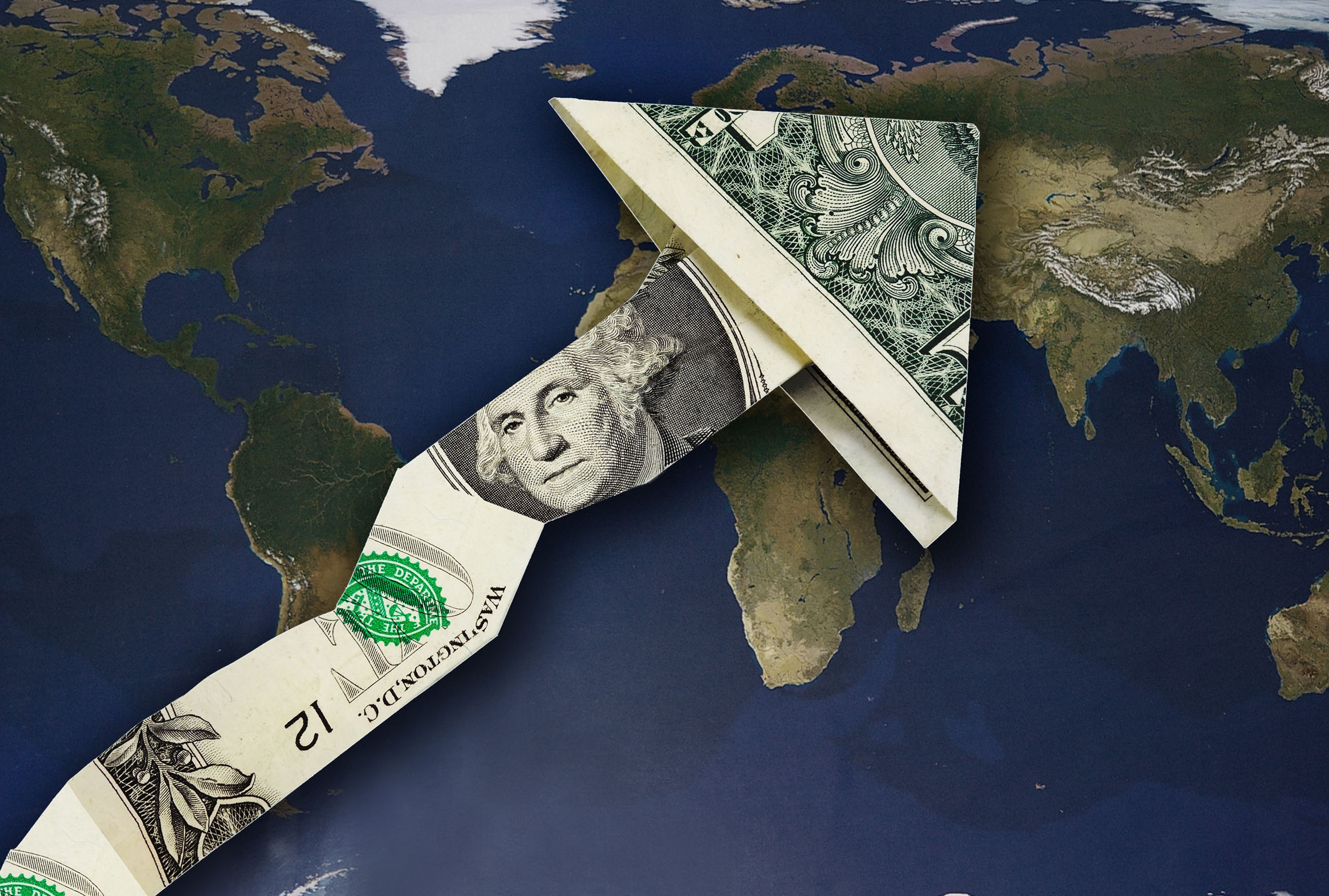
When investors across the world look beyond their own borders, they often put money in assets denominated in US dollars. This demand is crucial for the dollar maintaining its global importance and role as the world’s preferred reserve currency, suggests research by Chicago Booth’s Ralph S. J. Koijen and Princeton’s Motohiro Yogo, who add that were investors to seek safety elsewhere, this could have big implications for currency markets and the US economy.

The researchers deconstructed the convenience yield, or premium associated with holding the US dollar. They calculate it to have been 1.3 percentage points between 2008 and 2017. That is, had the US dollar lost its special status, it would have depreciated, and the expected annual appreciation would have been 1.3 percent a year higher thereafter. And parsing out which investors mattered most in terms of supporting the convenience yield, they identify Pacific investors (in Australia, Hong Kong, Japan, New Zealand, and Singapore), followed by European investors and those in offshore financial centers such as Bermuda and the Cayman Islands. European investors alone, for example, accounted for 0.35 percentage points of the dollar’s convenience yield—so if only these investors were to decide to hold a different currency, it is likely that the dollar would weaken by 0.35 percentage points.

The advantage of being special

Investors pay a premium, the convenience yield, to hold US dollar-denominated bonds. Losing that status could cause yields to rise. This, of course, has implications for asset markets. If the US dollar were to lose its status, the country’s long-term bond yields would rise 2.15 percentage points, according to Koijen and Yogo. They trace this to the effects of investor demand from offshore financial centers (responsible for 0.53 percentage points), Pacific investors (0.52 percentage points), European investors (0.51 percentage points), and foreign exchange reserves (0.48 percentage points). Also, stock prices would fall without the special demand for US equities. Thereafter, expected returns for US stocks would be 1.7 percentage points higher, they write, driven most strongly by European investors.

(Courtesy Chicago Booth Review/ By Emily Lambert)

Tags: dollar primacyforeign investors

Related Posts

Records broken in latest trading
Opinion

Understanding the Potential Benefits of Alternative Investments

Can AI Make Us Better Leaders?
Opinion

Introducing a better way of working

Supply Chain trends for 2026
Opinion

Supply Chain trends for 2026

U.S. Employee Engagement Declines
Opinion

U.S. Employee Engagement Declines

Gold leaps 27% in 2024
Opinion

After the Gold Rush: The Strategic Role of Commodities in Portfolios

The Board Agenda for 2026
Opinion

The Board Agenda for 2026

Fed’s inflation strategy hurts economy, housing, and climate efforts
Opinion

Under a Warsh Fed, Expect a Thoughtful Policy Approach

Why Even Well-Known Brands Can’t Stop Advertising
Opinion

Why Even Well-Known Brands Can’t Stop Advertising

Preparing for a New Era in Telecom M&A
Opinion

5 Forces Driving M&A in 2026

How commerce media is finally bridging the CMO–CFO divide
Opinion

How commerce media is finally bridging the CMO–CFO divide

No Result
View All Result

Recent Posts

  • Leading tech CEOs attend AI Impact Summit in New Delhi
  • New deal terms could see Warner Bros. reignite sale talks with Paramount
  • OpenClaw founder to join OpenAI
  • Understanding the Potential Benefits of Alternative Investments
  • Looking ahead at AI and work in 2026

Archives

Categories

  • Art & Culture
  • Business
  • CEO Interviews
  • CEO Life
  • Editor´s Choice
  • Entrepreneur
  • Environment
  • Food
  • Health
  • Highlights
  • Industry
  • Innovation
  • Issues
  • Management & Leadership
  • News
  • Opinion
  • PrimeZone
  • Printed Version
  • Technology
  • Travel
  • Uncategorized

Meta

  • Log in
  • Entries feed
  • Comments feed
  • WordPress.org

  • CONTACT
  • GENERAL ENQUIRIES
  • ADVERTISING
  • MEDIA KIT
  • DIRECTORY
  • TERMS AND CONDITIONS

Advertising –
advertising@ceo-na.com

110 Wall St.,
3rd Floor
New York, NY.
10005
USA
+1 212 432 5800

Avenida Chapultepec 480,
Floor 11
Mexico City
06700
MEXICO

  • News
  • CEO Interviews
  • Opinion
  • Technology
  • Environment
  • CEO Life

  • CONTACT
  • GENERAL ENQUIRIES
  • ADVERTISING
  • MEDIA KIT
  • DIRECTORY
  • TERMS AND CONDITIONS

Advertising –
advertising@ceo-na.com

110 Wall St.,
3rd Floor
New York, NY.
10005
USA
+1 212 432 5800

Avenida Chapultepec 480,
Floor 11
Mexico City
06700
MEXICO

CEO North America © 2024 - Sitemap

Welcome Back!

Login to your account below

Forgotten Password?

Retrieve your password

Please enter your username or email address to reset your password.

Log In
No Result
View All Result
  • Home
  • News
    • Business
    • Entrepreneur
    • Industry
    • Innovation
    • Management & Leadership
  • CEO Interviews
  • Opinion
  • Technology
  • Environment
  • CEO Life
    • Art & Culture
    • Food
    • Health
    • Travel

© 2026 JNews - Premium WordPress news & magazine theme by Jegtheme.