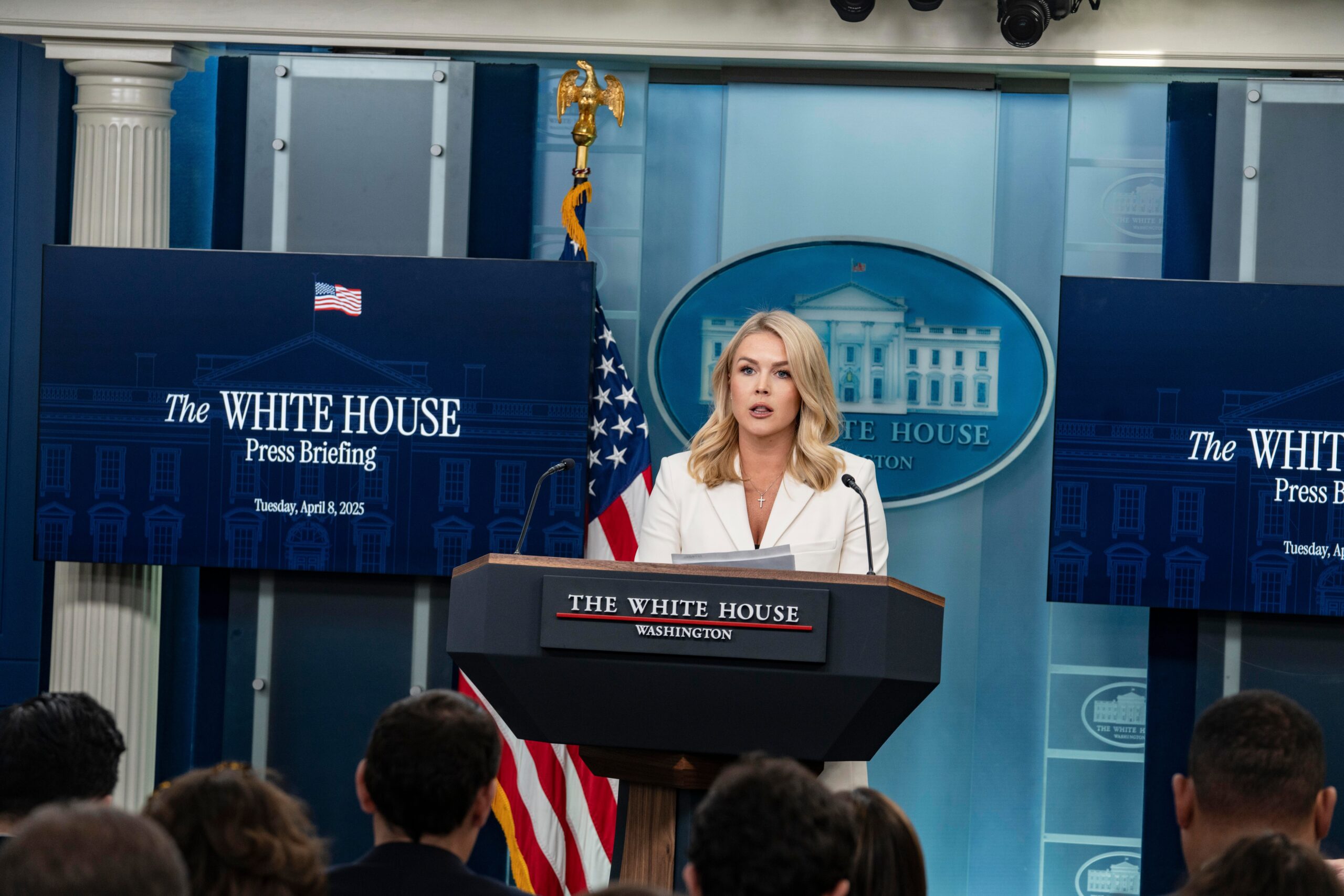
President Donald Trump has heightened pressure on trade agreements with certain countries ahead of the July 9 deadline.
On Monday, the President signed an executive order extending the deadline to August 1 for all “reciprocal” tariffs, excluding those on China. However, he did not specify if the date would be strict. “I would say firm, but not 100% firm. If they call and they say would like to do something a different way, we’re open to that,” Trump told reporters.
Today, Chinese officials warned that China would retaliate against countries that make deals with the U.S. to exclude China from supply chains, stating, “One conclusion is abundantly clear: dialogue and cooperation are the only correct path.”
So far this week, President Trump has sent letters to several countries outlining new tariffs, which range from higher to lower than April levels. Japan’s Prime Minister Shigeru Ishiba and South Korea’s President Lee Jae-myung confirmed they received letters warning of tariffs of 25%.
Speaking to a cabinet task force, Ishiba expressed “regret that the U.S. government has imposed additional tariffs and announced plans to raise tariff rates.”
In a statement, South Korea’s Finance Ministry named the tariffs “excessive” vowing to “take immediate and bold action in accordance with its contingency plans.”
Thailand’s Finance Minister Pichai Chunhavajira stated that his country’s tariffs could be as high as 36%, but he expressed confidence that Bangkok can negotiate with the U.S. in “good faith.”
Today, Malaysia’s Trade Ministry has confirmed they will “continue discussions” and hope to reach a “balanced and mutually beneficial trade agreement,” confirming the U.S. is threatening to impose a 25% tariff rate.
Kazakhstan, South Africa, Myanmar, and Laos are experiencing the highest tariffs, with the Trump Administration confirming that these countries may face tariffs of up to 40%.
The leaders of Tunisia, Bosnia and Herzegovina, Indonesia, Bangladesh, Serbia, and Cambodia all received letters warning of tariffs up to 30%, while the EU reportedly did not receive one.
In his letters, Trump suggested he may increase tariffs further if retaliations happen, highlighting that these rates are separate from the current sector-specific tariffs.
By CEO NA Editorial Staff