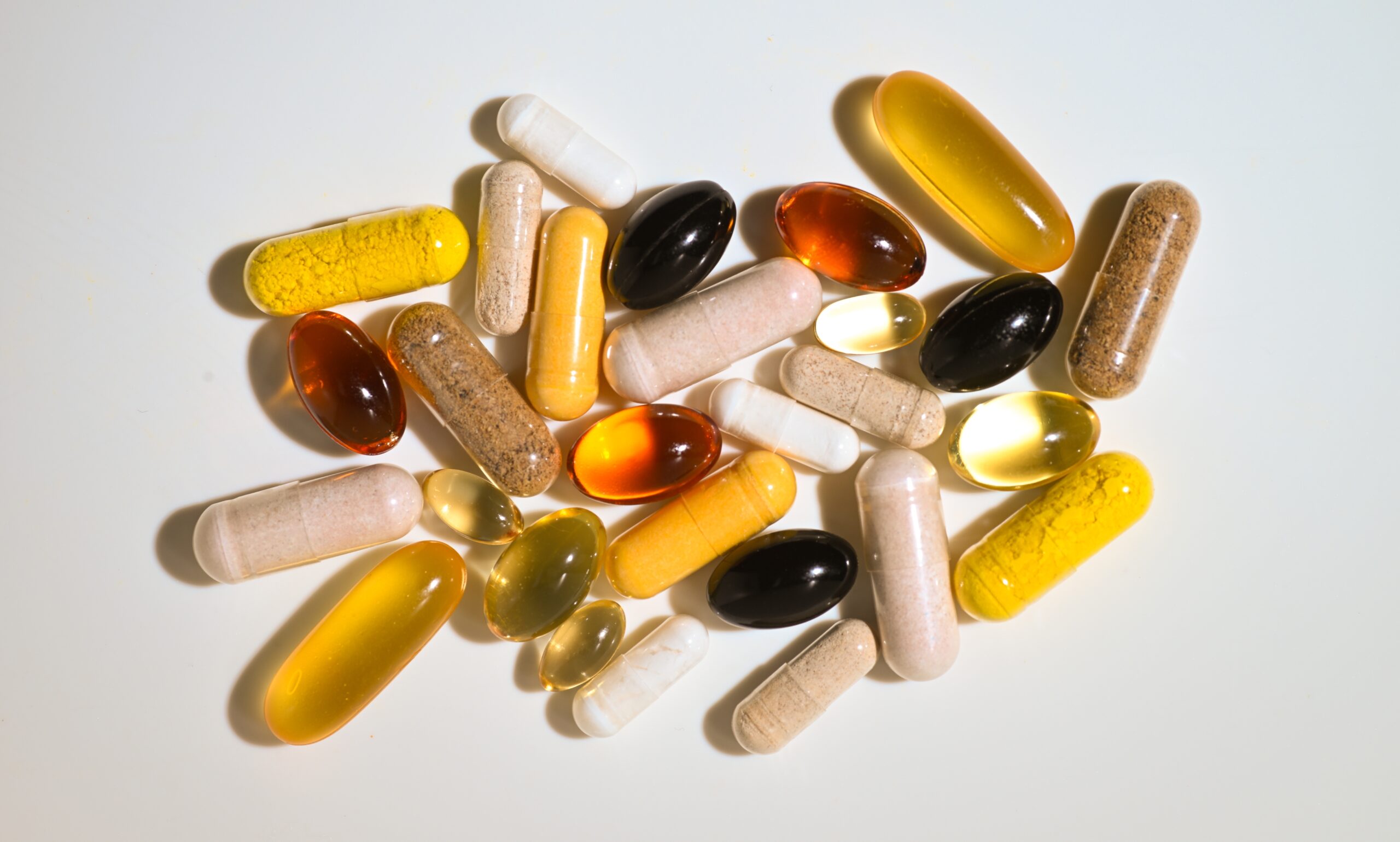
A nationally representative survey found that about one in four adults over age 50 take at least one supplement to improve their brain health with the promise of enhanced memory and sharper attention and focus.
The problem? There’s no solid proof any of them work.
“There’s no evidence to suggest there’s an ingredient in supplements that can improve brain health,” says Dr. Pieter Cohen, an internist with Harvard-affiliated Cambridge Health Alliance, whose research focuses extensively on dietary supplements. “Nothing legally contained in supplements has been proven to improve your thinking or prevent memory loss.”
The main issue with all over-the-counter products is lack of regulation. The FDA doesn’t oversee product testing or ingredient accuracy – it just monitors for supplements that make health claims related to the treatment of specific diseases.
In the case of brain health, this means a supplement manufacturer can claim a product helps with mental alertness or memory loss – but not that it protects against or improves Alzheimer’s disease or any other form of dementia. Manufacturers don’t have to back up any claim that their brain health supplements are effective.
Even that level of oversight may diminish: the FDA announced in December 2025 that it is considering a rule change that would relax how often disclaimers must appear on supplement labels. That’s “a very important step in the wrong direction,” says Dr. Cohen.
“Consumers already face a slew of misinformation when they purchase supplements,” he says.
A combination of nutrients
Many brain supplements contain omega-3 fatty acids (such as those found in fish oil), vitamin E, various B vitamins, or various combinations. Why these?
There’s strong evidence that certain diets – like the Mediterranean diet, the DASH diet, and the MIND diet – may help improve cognitive function. These diets contain foods with large amounts of the aforementioned nutrients. But what’s not clear is whether it’s the combination of nutrients in these diets that’s beneficial, or whether it’s individual nutrients or certain amounts, or other factors entirely. Researchers have tried to answer these questions by testing how these individual nutrients affect cognitive health. So far, the limited studies have found no evidence they help, with a few rare exceptions.
Still, this doesn’t mean that the brain supplements don’t work. It’s just that there isn’t much, if any, evidence from randomized clinical trials – the gold standard for research – on whether isolated vitamins or other nutrients improve brain health.
Omega-3 fatty acids
Omega-3 fatty acids help build cell membranes in the brain, and also may have anti-inflammatory and antioxidant effects that could protect brain cells. There are three types of omega-3s. Eicosapentaenoic acid (EPA) and docosahexaenoic acid (DHA) are found mostly in fatty fish like salmon and mackerel. Alpha-linolenic acid (ALA) is found in leafy green vegetables (brussels sprouts, spinach), vegetable oils (canola, soybean), and nuts and seeds (walnuts, flaxseeds).
The body converts ALA into EPA or DHA, but only in small amounts, so the best way to get high amounts of EPA and DHA is by eating more fish. Fish is a staple in the Mediterranean and MIND diets, among others, and studies have found an association between higher intake of fish and a lower risk of cognitive decline. However, omega-3 supplements made from fish oil haven’t shown the same effect. Any benefit seems to come from a greater intake of fish and not from taking fish oil supplements.
“I’m not aware of any new evidence about omega-3 supplements that indicates they’re brain-boosting,” Dr. Cohen says, “and I’m not prescribing or recommending them to patients.”
What the leaves say about gingko biloba
The fan-shaped leaves of the gingko tree are used in traditional Chinese medicine to treat all kinds of ailments. In the United States, the extract from the leaves is sold as a supplement commonly called gingko biloba. One of its main selling points is as a memory enhancer. However, as with other brain health supplements, the science doesn’t support the claims.
One of the largest clinical trials that explored the possible link was the Gingko Evaluation of Memory (GEM) study. Researchers recruited more than 3,000 older adults (average age 79, 54% men) with normal cognitive function or mild cognitive impairment. Everyone was given either 120 milligrams of gingko or a placebo twice a day for almost six years. (This amount was chosen based on previous research.) The results found that taking gingko biloba did not lower the overall rate of developing dementia.
Thinking about brain health supplements
The question remains: with no evidence, why do people still buy in to brain health supplements? A major reason seems to be that it’s easier to take a pill than to make lasting lifestyle changes.
Instead, invest in doing more exercise and following a plant-based diet. These can help with memory and brain health in the long term more than any supplement.
“Because manufacturers can advertise without any evidence to support it, you really can’t rely on any of the claims made on the bottle,” Dr. Cohen says. “If you’re still interested in using one, talk to your clinician and, with their help, look at the evidence together.”